
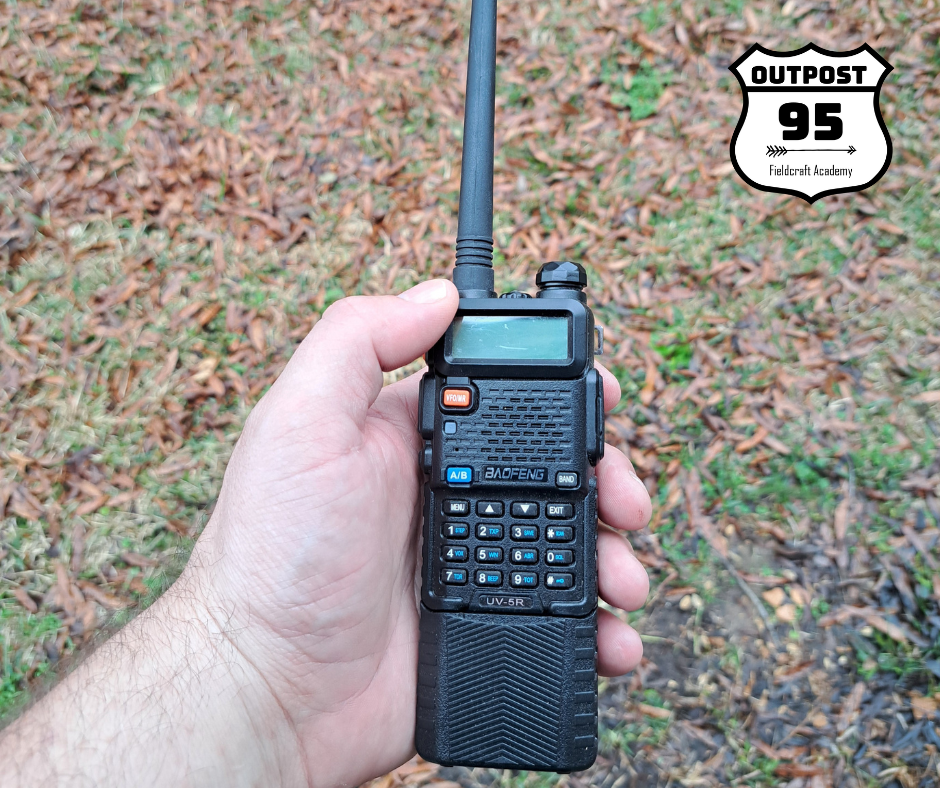
Pretty much the middle and eastern half of the country is getting ready for a storm to hit in the next day to three days, depending on who you listen to and where you are. If you had previously purchased a radio but never done anything with it then. Maybe it’s time to dig it out and charge it up.
If you haven’t loaded any frequencies in and aren’t sure what to use, I have compiled a short list of resources to get you started.
First off, the National Oceanic and Atmospheric Administration (NOAA) has radio stations upon which they broadcast the weather. The weather channels are organized by state and county on NOAA’s website are found here: https://www.weather.gov/nwr/counties. Some areas might be covered by more than one broadcast channel. Find what should work and test it out.
The NOAA channels:
- 162.400
- 162.425
- 162.450
- 162.475
- 162.500
- 162.525
- 162.550
Next, I would look at the Multi-Use Radio Service (MURS), which are license free for use. This is useful because you can use it without any issues. The good and bad is everyone uses it. Someone is monitoring it; no conversation is private but there is good chance you will have someone to talk to.
- MURS 1: 151.820 MHz
- MURS 2: 151.880 MHz
- MURS 3: 151.940 MHz
- MURS 4: 154.570 MHz
- MURS 5: 154.600 MHz
The next place I would go to is https://www.radioreference.com/. This database also can be referred to by state and county. On here you will find any amateur repeater stations, and all of the public entities with registered stations. The sheriff’s office, fire, EMS, public works, etc. are all listed and you can monitor them. You cannot talk on those frequencies! If you want to know what is going on in the neighborhood though or during an emergency, this is a good way to get information. Other entities can get a band set aside for their own use as well. When I looked at the neighboring counties’ information, I found the frequency the power company uses. That might be worth listening to if the power goes out.
There is good information out there to gather now while the power is on. If you have a radio for “just incase” and haven’t used it before, then you should dig it out and start now while you can find some frequencies to listen too.
Stay safe.
-Joseph
 Outpost 95